It’s my mission to make cold water accessible for everyone.
Why I Do This
I didn’t always have an amazing relationship with cold.
I grew up in Austin, which means I was supposed to love Barton Springs.
If you’ve never been, Barton Springs is a natural spring-fed swimming pool in the middle of the city. Spring-fed, crystal clear, and maintained at a steady 68 to 71°F year-round. Austinites treat it like a crown jewel. People go to refresh themselves, enjoy the beauty, connect with friends. On a hot Texas day, it’s paradise.
For everyone except me.
I secretly hated Barton Springs. I couldn’t say that out loud, of course- not in Austin, not among friends. So I kept showing up. I’d get in and shiver miserably, unable to warm up no matter how long I stayed. My friends from a yoga community I was part of in the early 2000s used to make fun of me for hovering at the edge. They’d chide me into getting in. One time I stayed in long enough that my feet turned purple. Their reaction that one time I showed up in a wetsuit… I don’t even want to talk about it.
It wasn’t just cold water, either. As a kid I remember any time the temperature dropped below 65°F I was reaching for thermal underwear. On the rare weeks it dropped below freezing in Central Texas, the only part I liked was sitting on the hearth in front of the fire my dad would build.
Cold and I had an understanding: it stayed away from me, and I stayed away from it.
Then someone invited me to a Wim Hof workshop.
Fast forward to 2014. An acquaintance in my community asked if I’d like to attend a two-day workshop in Austin. I’d never heard of Wim Hof. When I asked what it was about, she said “Cold water immersion and breathwork.”
My internal response was immediate and intense: You want me to pay $300? To get into cold water? On purpose?
It wasn’t a clean no. It was a no with a lot of reasons. The strength of that resistance got my attention. I thought ”Maybe there’s something here for me.” So I signed up.
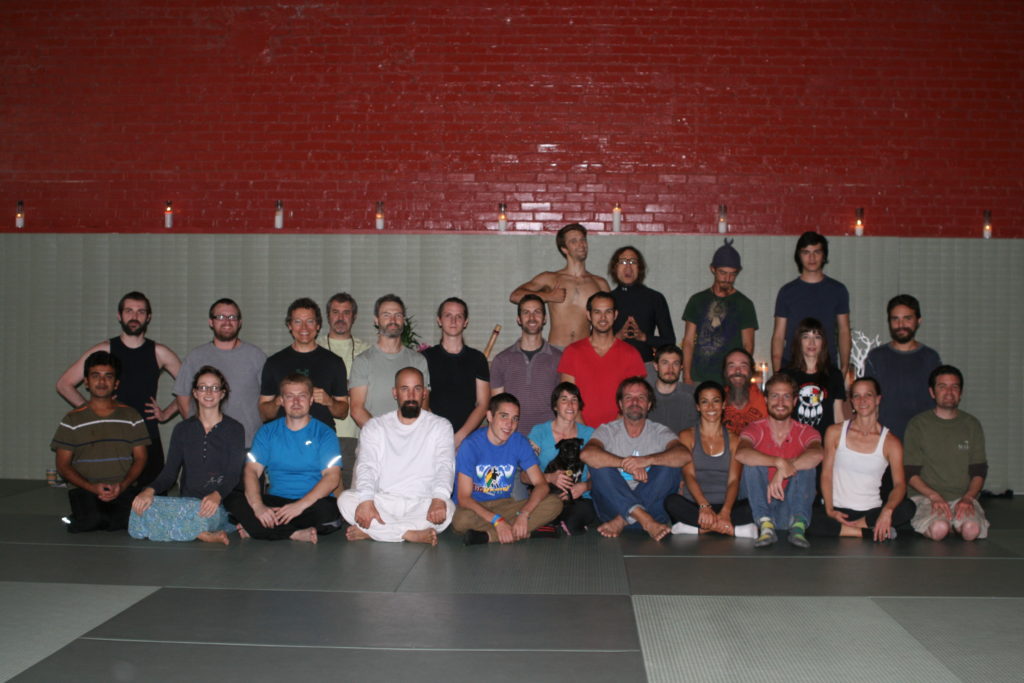
On the first day, when we got into the ice bath, it was horrible and amazing at the same time. I dabbled with cold after that. Small bins of ice for my feet and hands, the occasional cold water swim, walking around the neighborhood in shorts on the rare cold days in Austin gets.
But I didn’t have a consistent practice. I didn’t have a real reason.
Until I did.
My daughter, Natalia, was born at 27 weeks.
She weighed 1 pound 10 ounces.
We spent 121 days in the neonatal intensive care unit. When she finally came home, she came with a feeding tube, and strict medical instructions. She had to be fed every three hours around the clock because gaining weight wasn’t optional. It was everything.
I had the midnight shift and the 3am shift in additioan to working a regular full-time job.

I don’t regret a single one of those nights. But the human body has limits, and mine found them. After the crisis passed and Natalia was safe and growing, my body forgot how to sleep. And it wasn’t just bad sleep. It was nearly two years of brutal insomnia that slowly took everything with it. My focus. My patience. My ability to do my job without making serious mistakes. I was cutting my fingers in the kitchen cutting vegetables. I took off part of my thumbnail off in a vegetable chopper. One afternoon in five o’clock traffic I turned the wrong way down a one-way street and felt confused and angry before I realized why everyone was honking at me.
That last one got my attention. I wasn’t just hurting myself anymore. I was putting others in danger.
I tried everything I could think of.
Over several thousands of dollars and a couple of years, I worked through exercise, acupuncture, chiropractic, herbs, hyperbaric oxygen, IV drips, light therapy, grounding, cryotherapy, brain scans, neurofeedback, hormone creams, and more supplements than I can count. Some things helped for a while. I was even doing cold water swims a few times a week, driving to the Jessica Hollis below Mansfield dam, where the water was around 60 degrees Fahrenheit. But nothing solved the underlying problem.
A Wim Hof instructor I’d met at that 2014 workshop, Elizabeth Lee, who is still teaching the Wim Hof Method today (current as of 2026) suggested I try cold water immersion before bed. My initial through was “That will make it worse!” But she encouraged me to play with it, starting about three hours before bedtime. I went to the store, bought 100 pounds of ice, filled the bathtub, and got in.
I was only in for about a minute.
But that night I got the best sleep I’d had in more than two years.
I did it three more times. It worked every time without fail.
Then I did the math on hauling ice.
After my fourth ice bath, I realized that ice baths were going to get expensive. At $2 per bag and 14 bags to get the water cold enough, a three-times a week practice would cost over $100 per month. On top of that, the time and logistics of buying and hauling ice made this practice impratical. That’s when I started looking for commercially made cold plunges. The only two I could find in 2017 cost $8,000 to $12,000 and neither of them got below 50°F. My bathtub water was between 34 to 40°F, and I was pretty sure that’s what I needed.
I reached out to Elizabeth again to see if she had any suggestions. Other than moving to Colorado from Texas- which she had done recently- she mentioned that some people were using chest freezers. I found a couple of posts about it in a Facebook group, messaged everyone who’d done it, and heard nothing back. So I bought a $700 Whirlpool chest freezer and figured it out myself.
What followed was a series of disasters I’ll summarize as briefly as possible, because just remembering them is mildly traumatic:
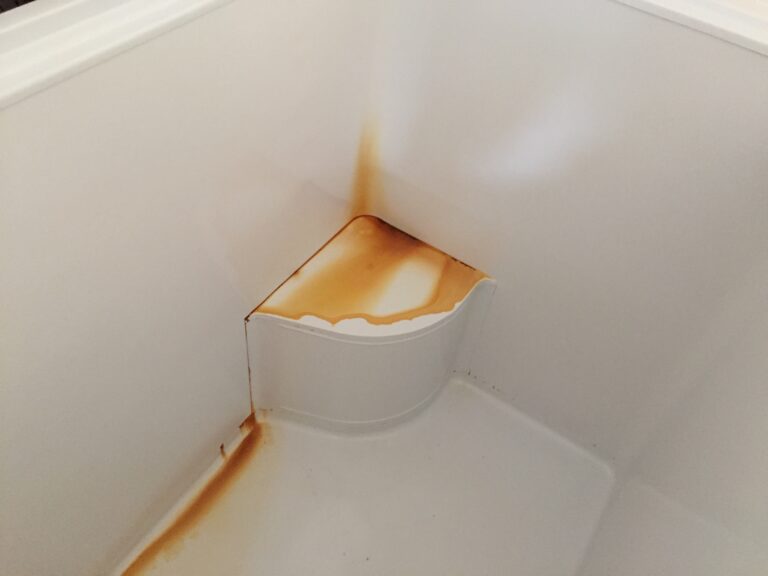
Attempt 1: Filled the freezer as-is, straight out of the box. Worked great for four days. On day five, I opened the lid to find a river of rust seeping out of the seams. Heart sank. I drained the water and knew I had to come up with a plan.
Attempt 2: I sealed the seams with JB Water Weld, but was concerned about the bond not holding up long term with movement and the weight of water. I covered the seams with marine tape. The marine tape off-gassed something so chemically potent it gave me headaches the moment I opened the lid. Into the trash it went. I drained the water.
Attempt 3: I stripped all the white enamel off the interior using plastic scrapers, metal scrapers, wire brushes, a belt sander, and finally, muriatic acid. Weeks of evenings after work. It took so long that the exposed metal started rusting while I was still working. I used CLR to remove the rust, then drove the freezer 40 miles to a professional who agreed to spray a two-part epoxy coating with his commercial equipment. Paid him $400. Picked it up a week later. The coating was beautiful- dark gray, clean, professional.
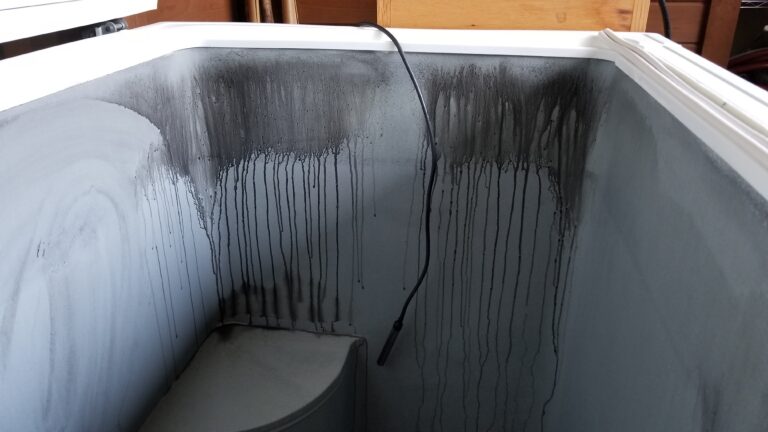
The ozone generator I was running starting destroying it within days. The epoxy wasn’t ozone-compatible. I had no idea. Another $800 gone, on top of everything else.
The liner came from running out of other options.
I started researching how above-ground pools handled this problem. I also learned a few things reading about industrial chemical containment. One consistent solution was some kind of liner. Flexible, removable, no adhesives, no coatings, no chemical compatibility nightmares. I sketched a design that would hang over the top edge of the freezer to hold itself in place without drilling a single hole or using a single fastener. There was nothing else like it on the market.
I called several manufacturers until I found one willing to build a prototype.
A few weeks later it arrived. I unfolded it, dropped it into the chest freezer, and filled it with water.
It worked. No leaks. No rust. No headaches. No disasters.
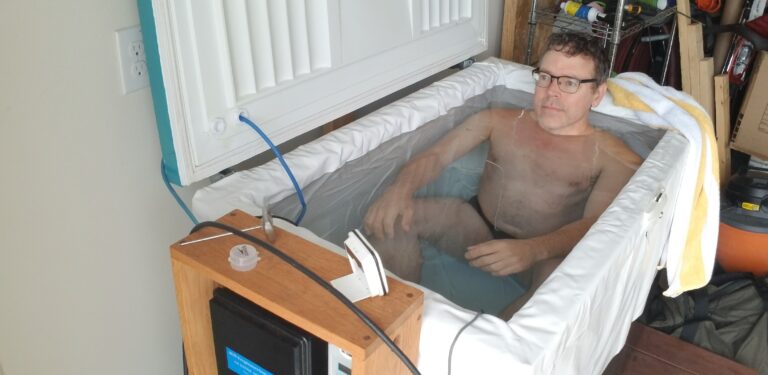
That liner lasted seven years- until the chest freezer was damaged in a move. The liner itself was still in perfect condition on the last day.
I never planned to sell anything.
I asked an admin on the Wim Hof Facebook group if he would be OK with me starting a separate group to discuss DIY cold plunge builds. He said yes. It grew slowly. I’d spend a couple of hours most days, answering questions, troubleshooting problems, watching people make the same mistakes I’d made and trying to help them skip the worst of it. The FAQ I wrote quickly grew to over 12 pages and eventually became a 366 page book. The community eventually grew to 56,000 members from more than eighty countries around the world.
People started noticing the liner in my group posts and YouTube videos and asking about it. Someone in the group said, “You should sell those.” So I found a manufacturer willing to build them to my specs, and the first liner went to the guy who suggested it. He encouraged me to keep going.
What keeps me going isn’t the business. It’s the messages. Better sleep. Less chronic pain. Less stress. People telling me they’re better parents, better partners, more present because cold water immersion finally became accessible to them and they actually stuck with the practice.
Some people quit before they ever experience the benefits. Not because cold plunging doesn’t work, but because the setup is too complicated, too expensive, or too frustrating. An epoxy job takes three weekends and still leaks. A liner fails after six months. A $10,000 or even $5,000 cold plunge is out of reach. So they give up and never find out what a regular practice could have done for them.
That bothers me. It always has. And that’s why I help.
Now, in 2026 the market if flooded with low quality options. Most companies are run by marketers, not people who are genuinely passionate about cold plunging. You can find countless hundreds of YouTube videos from average people to popular influencers showing how to build a DIY cold plunge. Some advice is solid. Most of it leads people to the same mistakes I know can be avoided. My work continues.
Natalia is 12 now.
When she was about four, she was my safety supervisor while I worked on the chest freezer. She couldn’t write yet, but she made safety signs- scribbles on paper, posted next to an orange traffic cone she’d planted in my work area.
The very first time I got into my finished chest freezer cold plunge, she counted me down.
Three. Two. One. Go!
Before she could even walk, she used to dip her fingers into the small bins of cold water I was working with. She loved it. For many years she counted me down and would hang out with me while I was in my cold plunge.
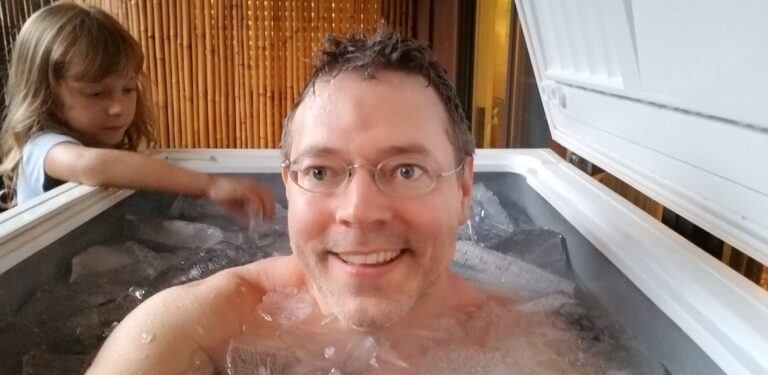
When she was four I asked her what she thought about cold training.
She looked at me very seriously and said: “Daddy, I like warm training.”
She’s not wrong. But I’ll keep plunging.
What this site is
This is a community resource and a small business built from years of trial and error, genuine obsession, and a lot of cold water.
If you’re new, start with the DIY Guide or join the Facebook community. If you’re ready to build, the Products page has everything I personally use or recommend, including the custom liner that kept me going.
I’m glad you’re here. The water’s cold. Get in.
John Richter
The Guy Who Figured It Out So You Don’t Have To
Chest Freezer Cold Plunge | Est. 2017 |
Austin, Texas
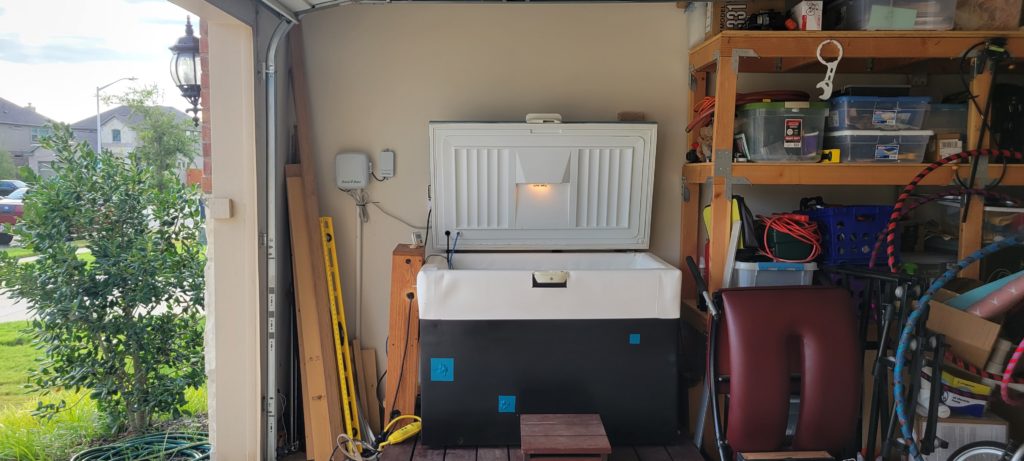
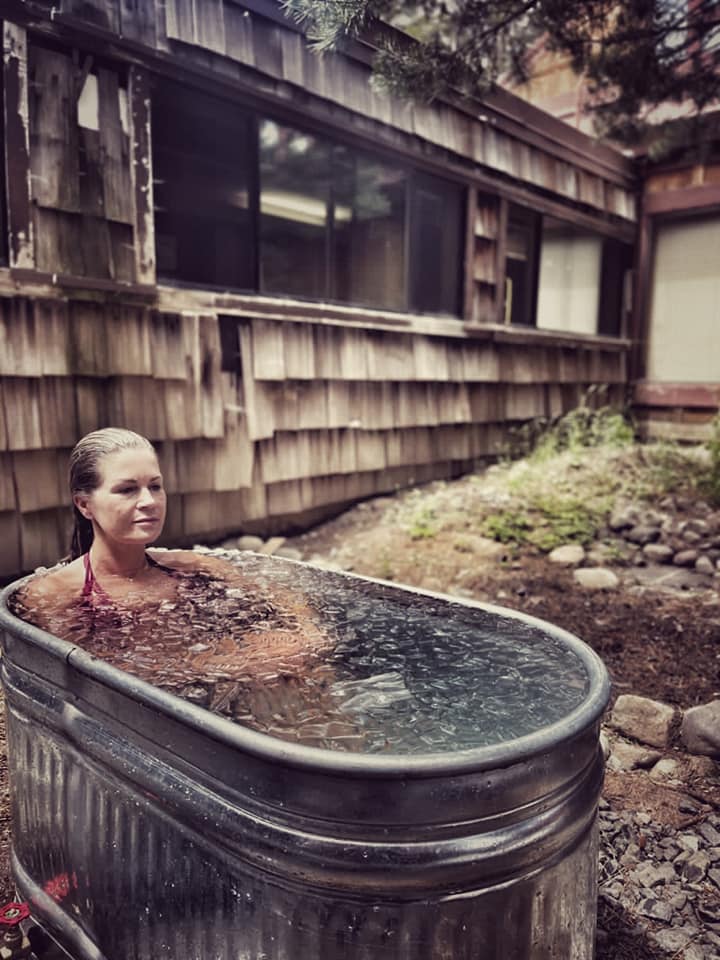
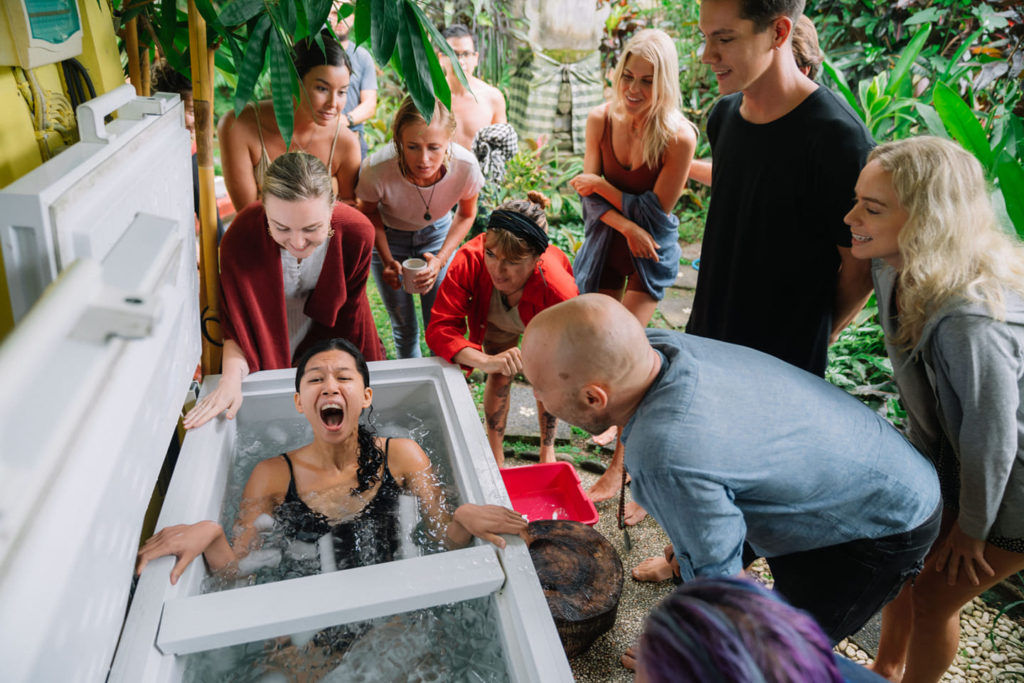
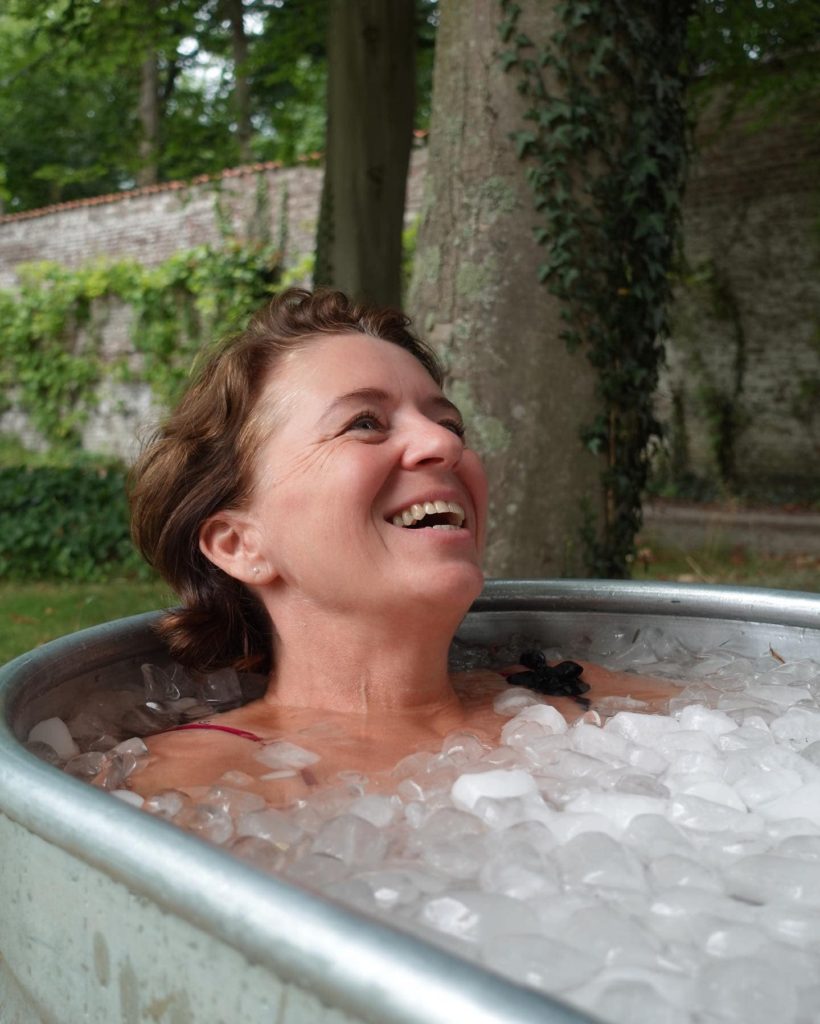
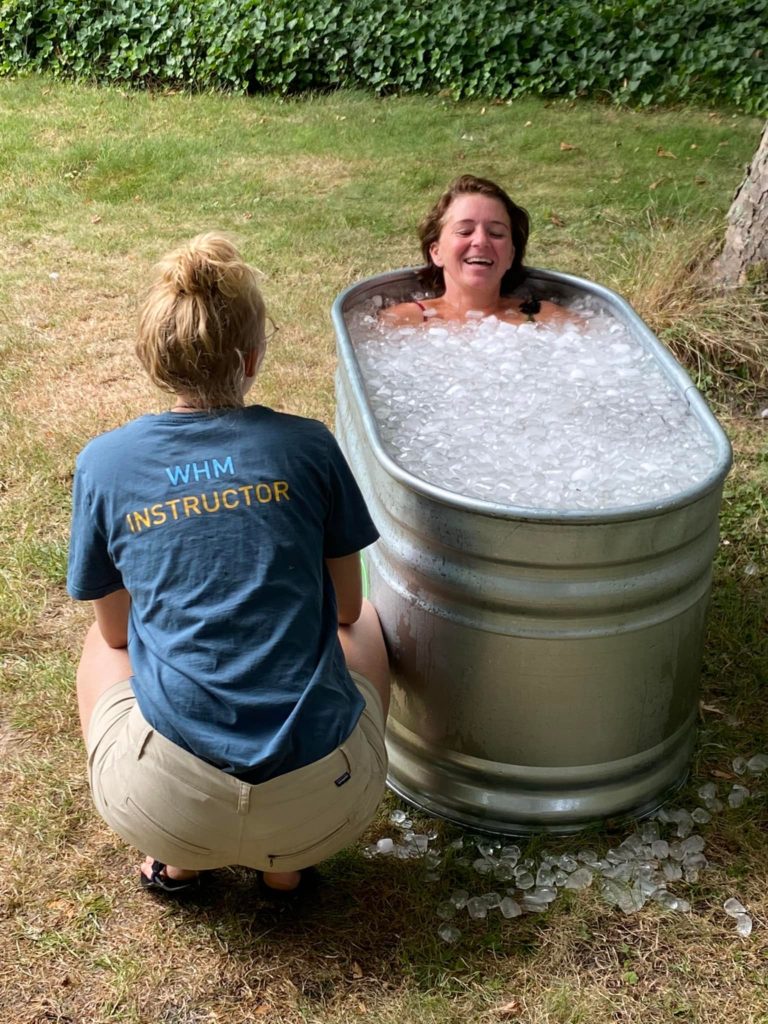
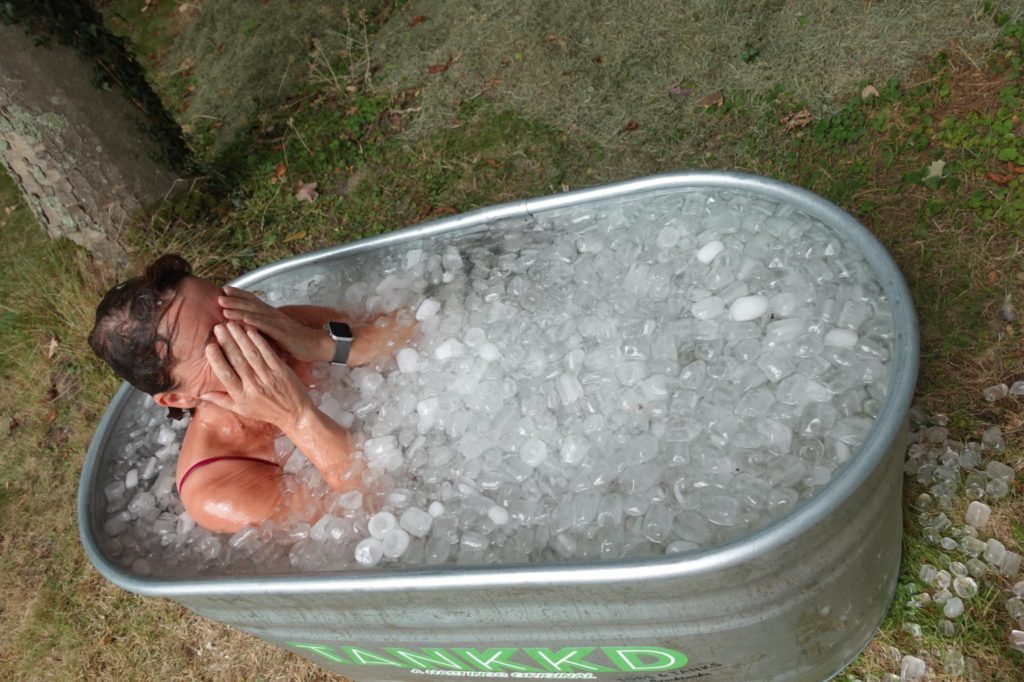
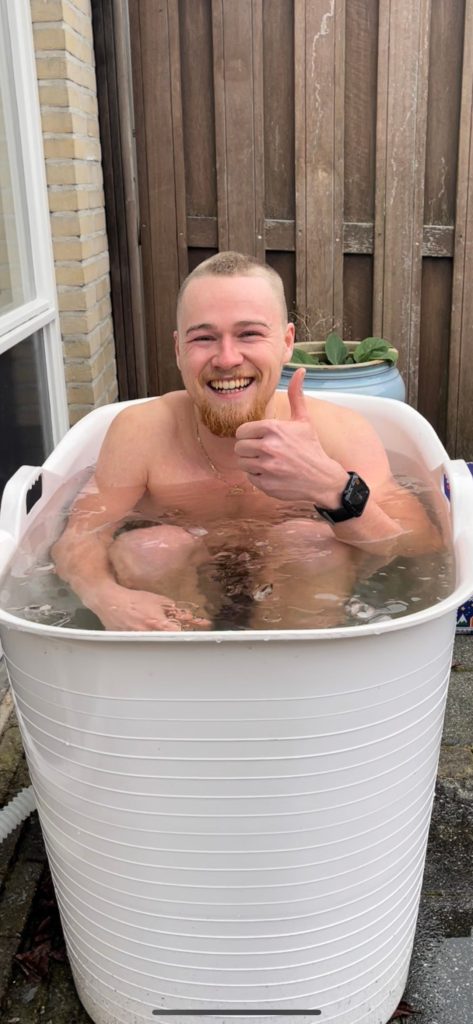
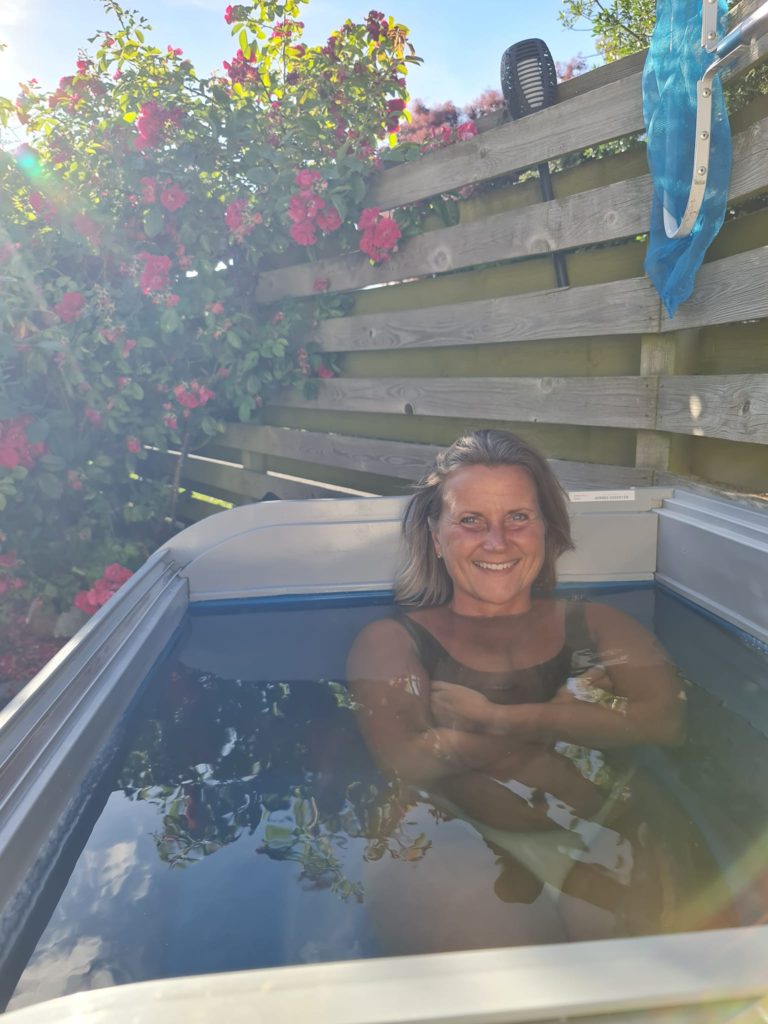
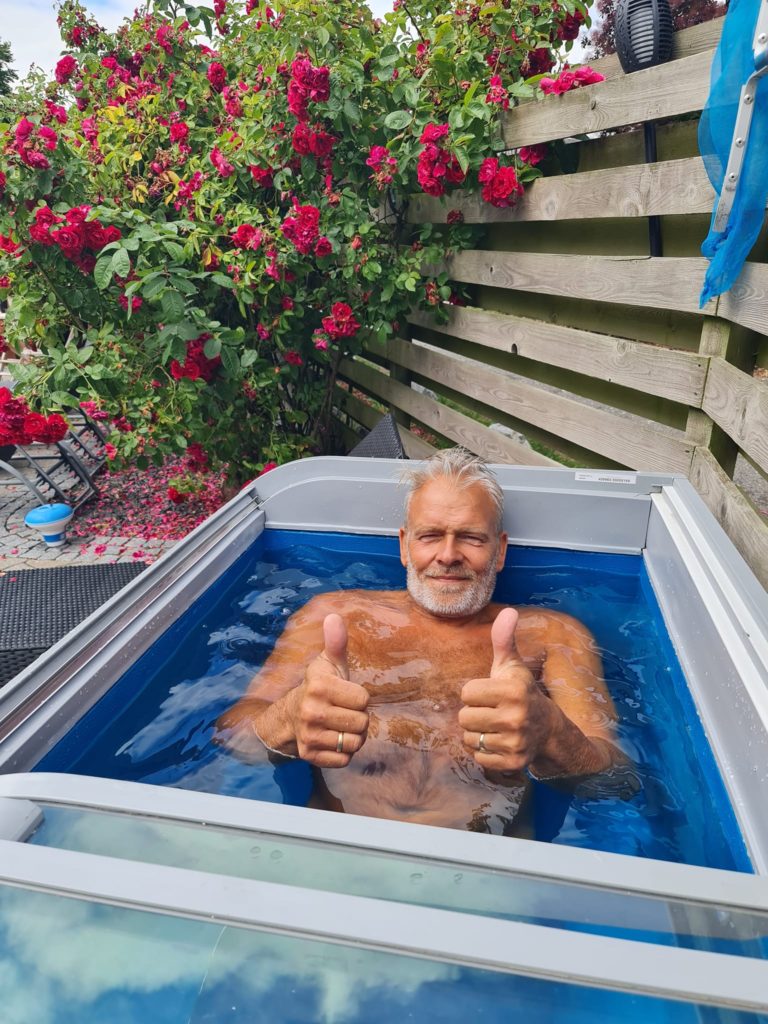
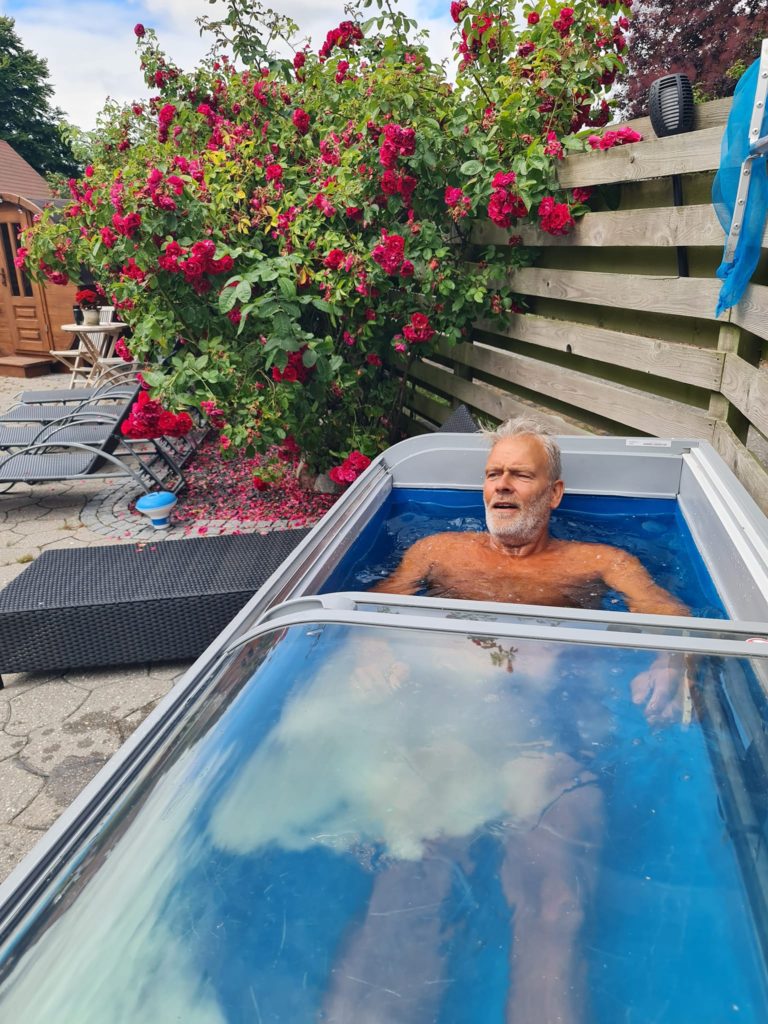
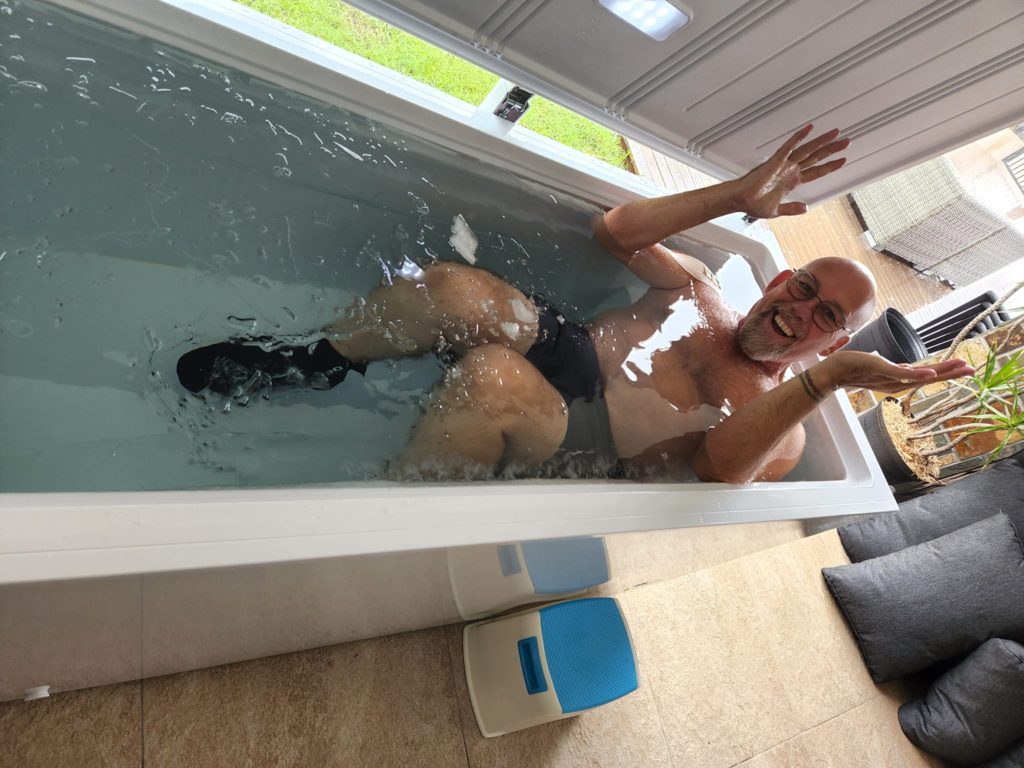
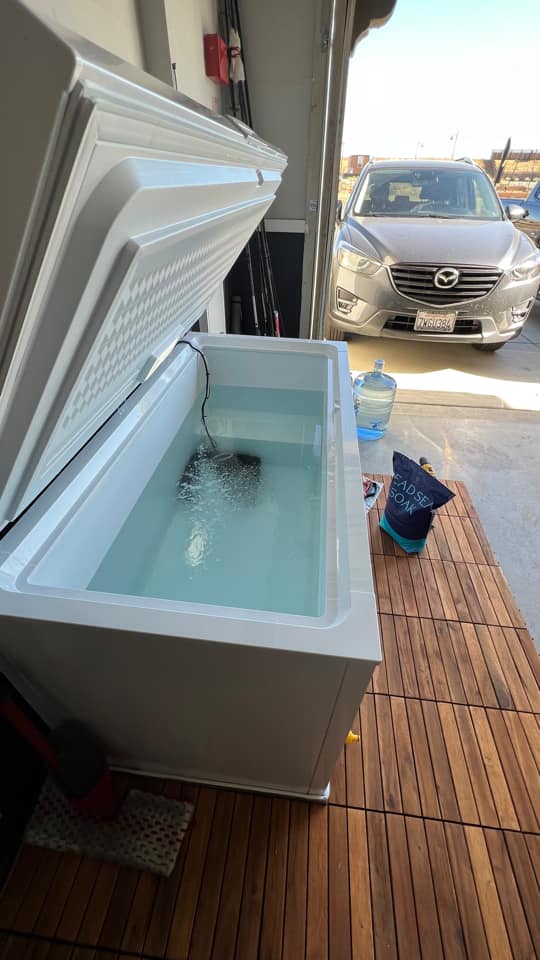
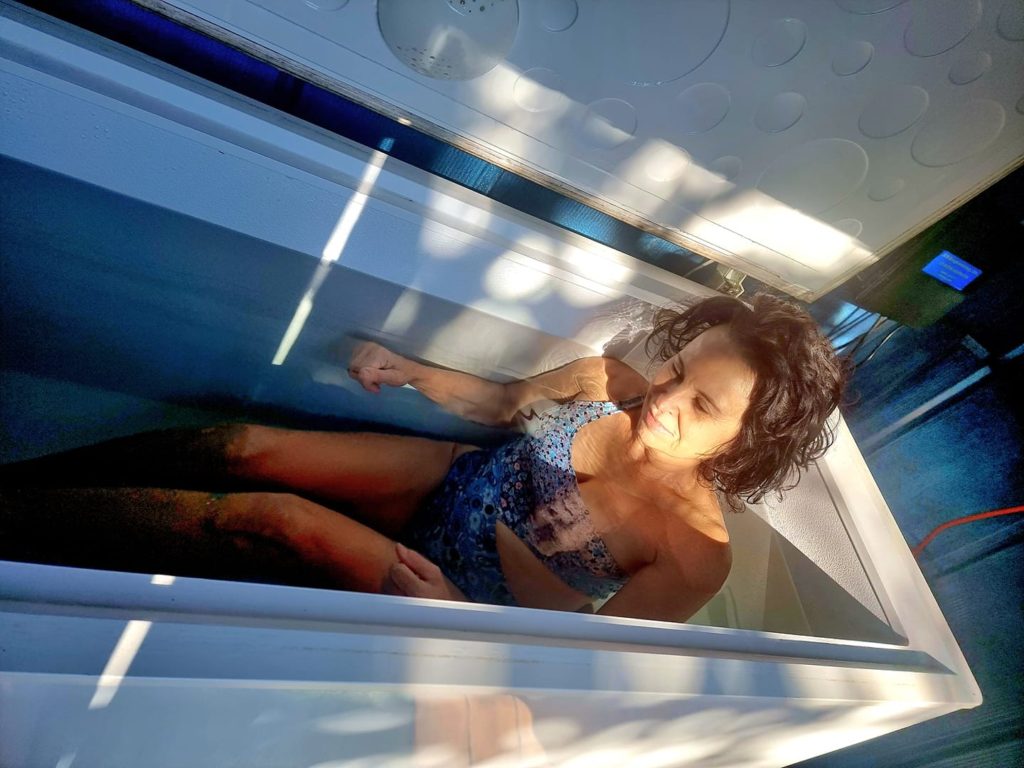
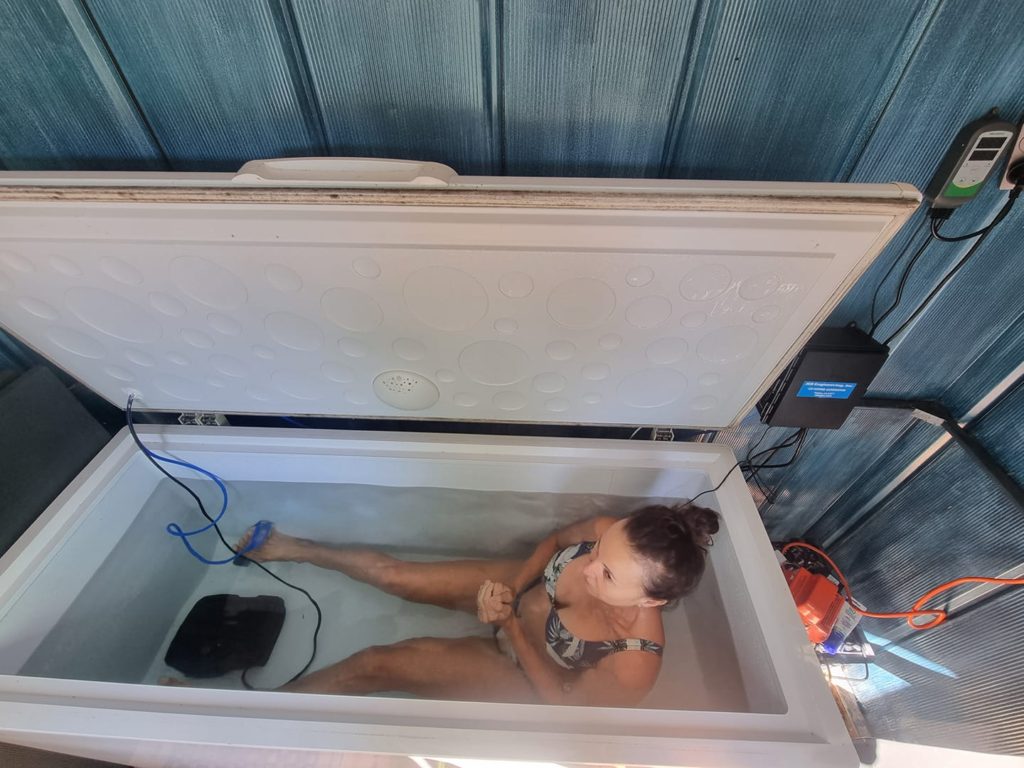
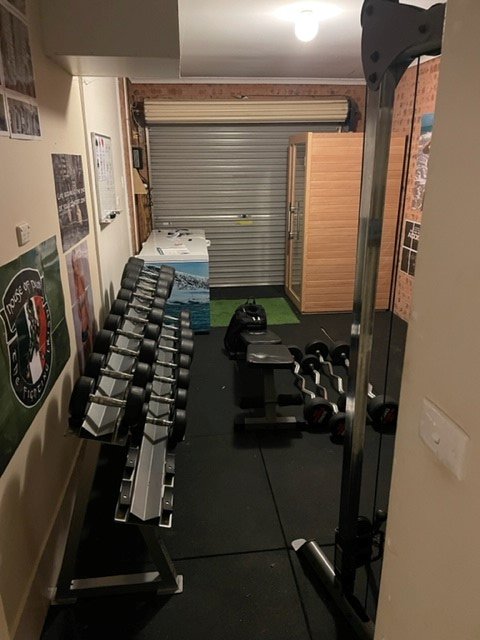
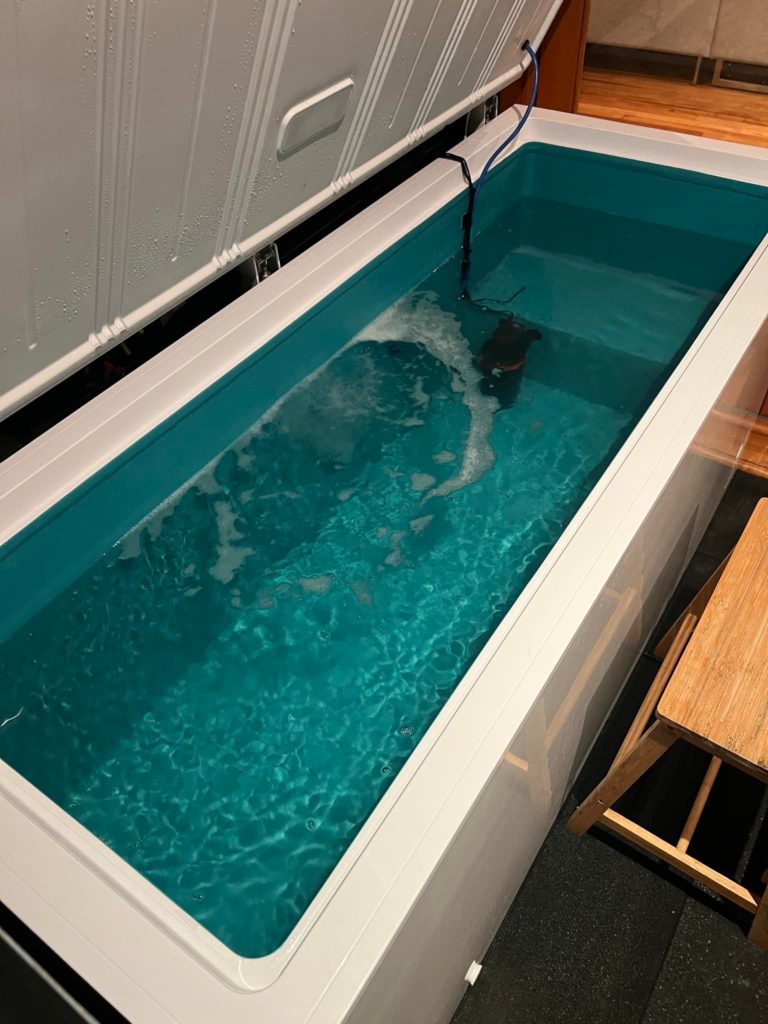
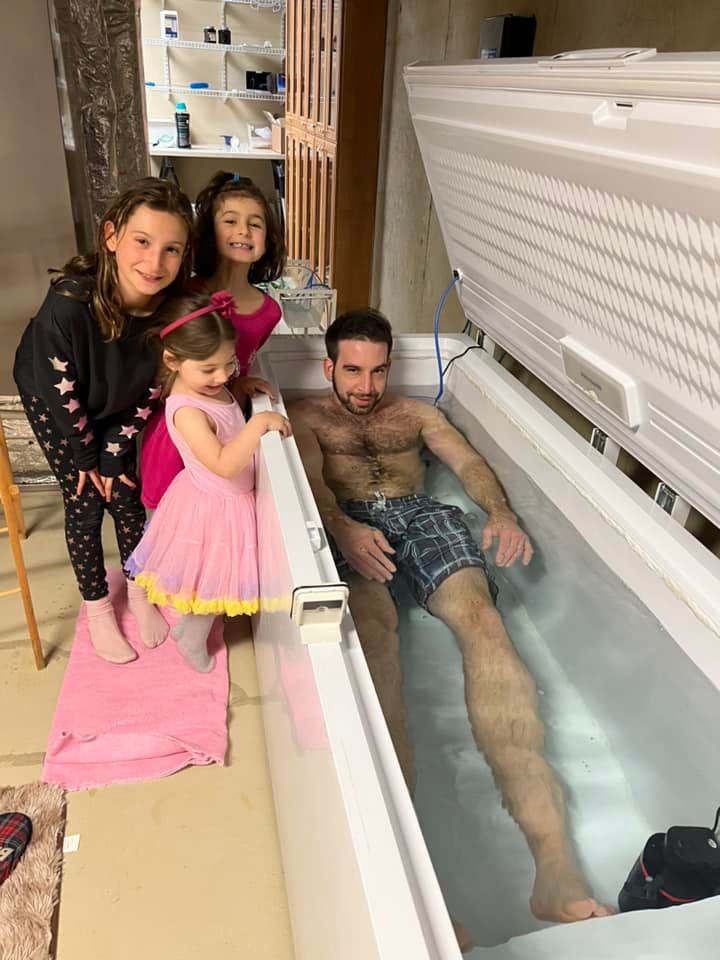
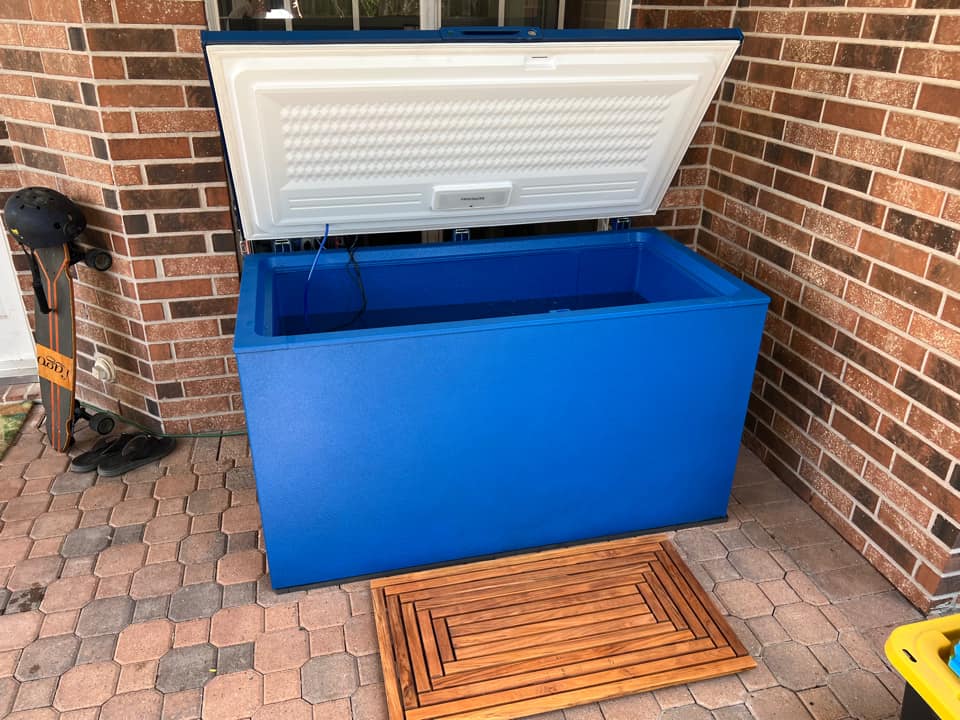
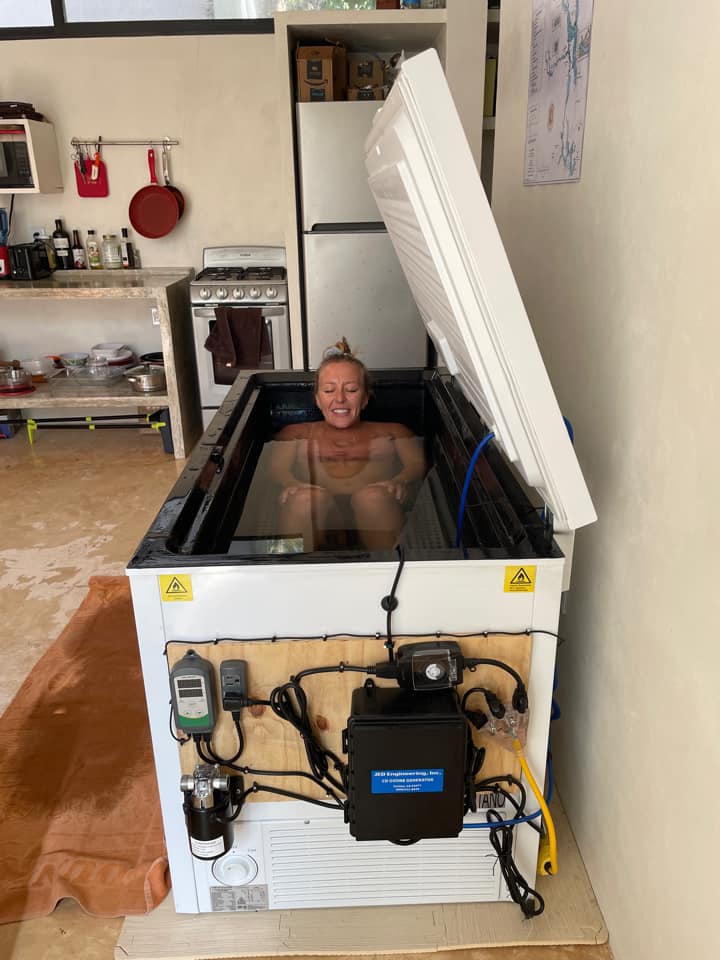
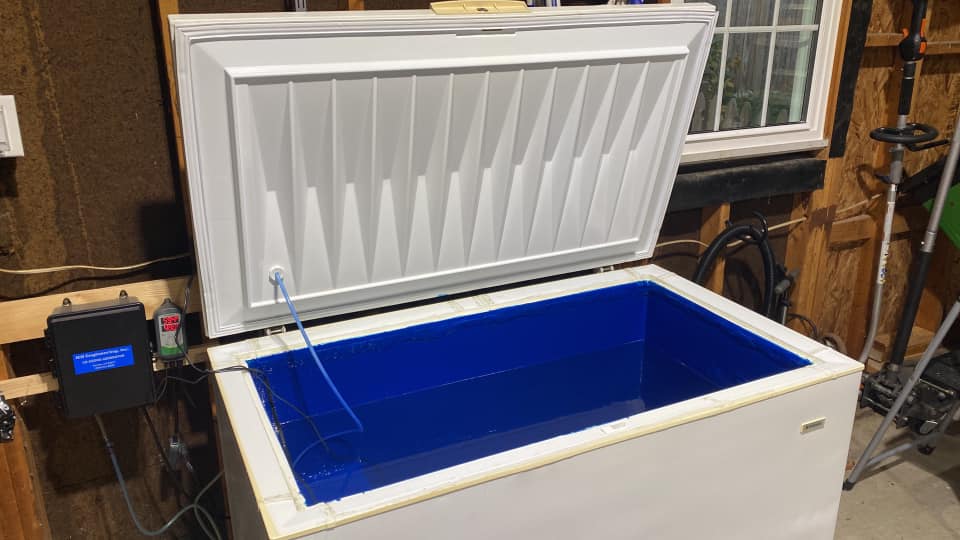
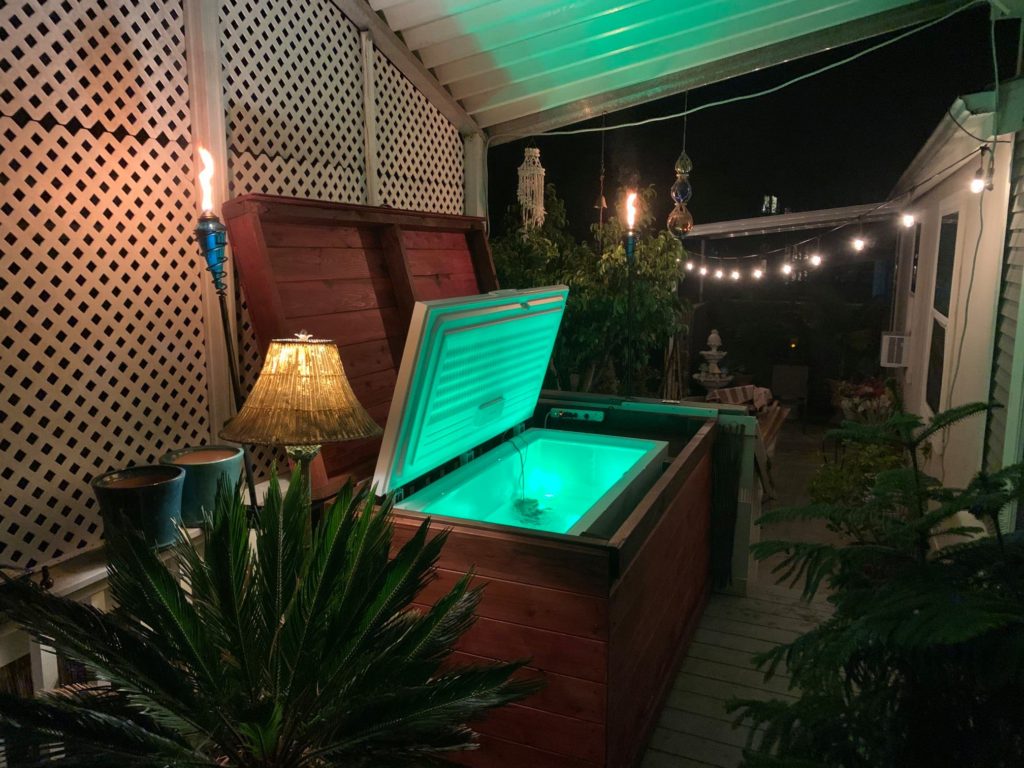
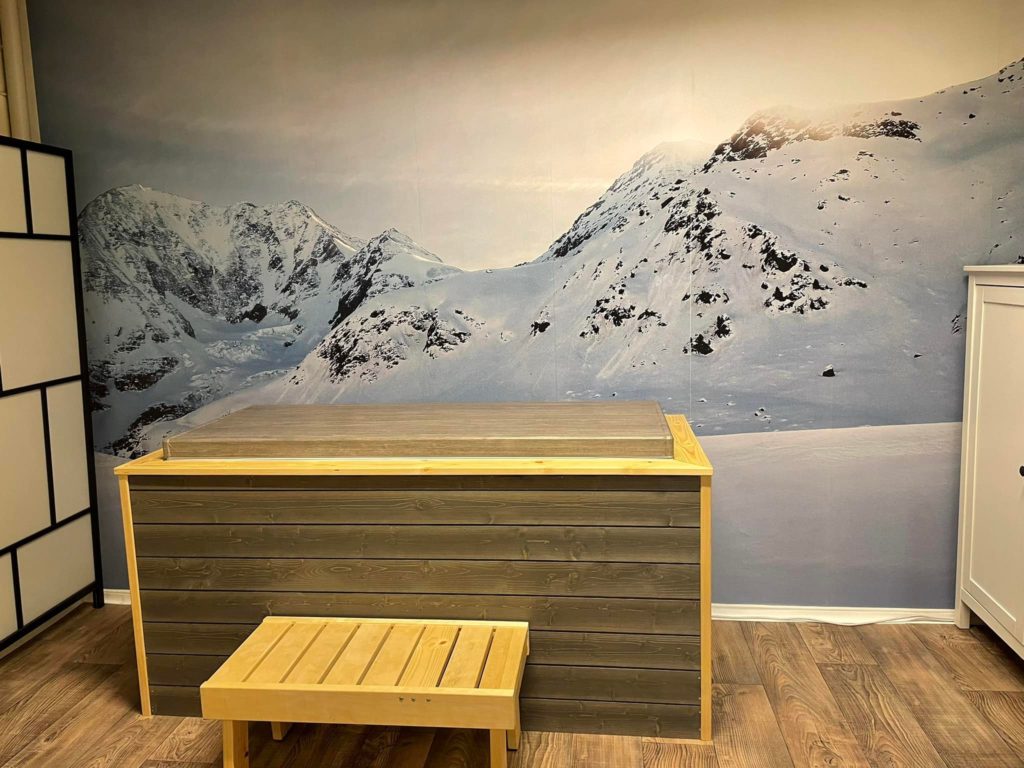
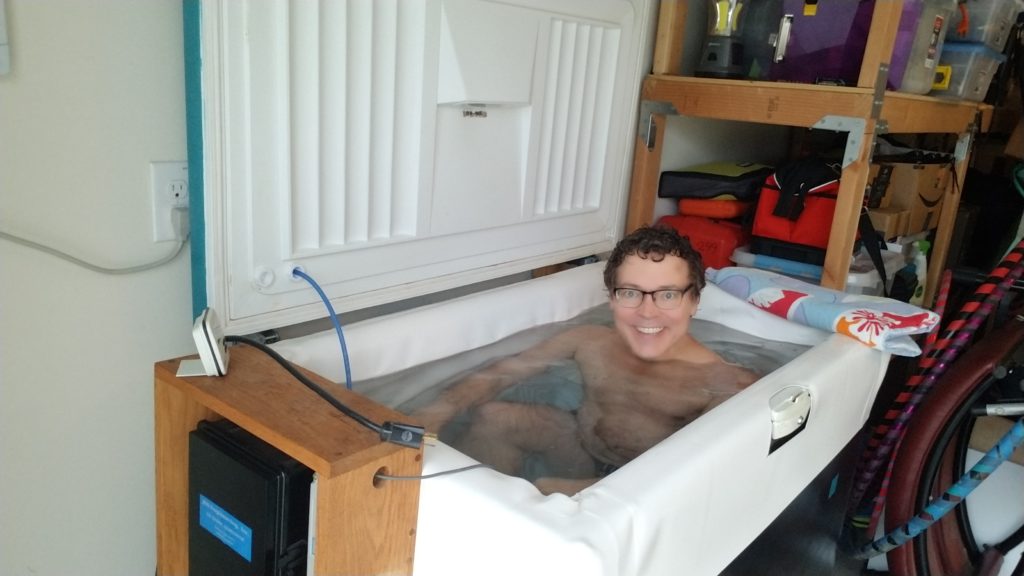
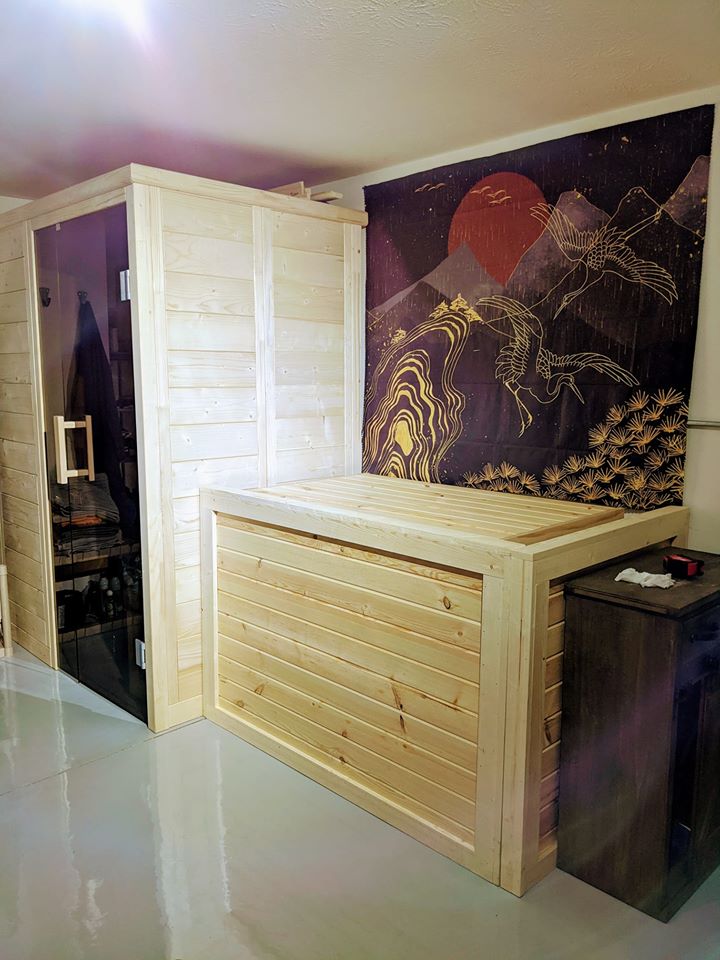
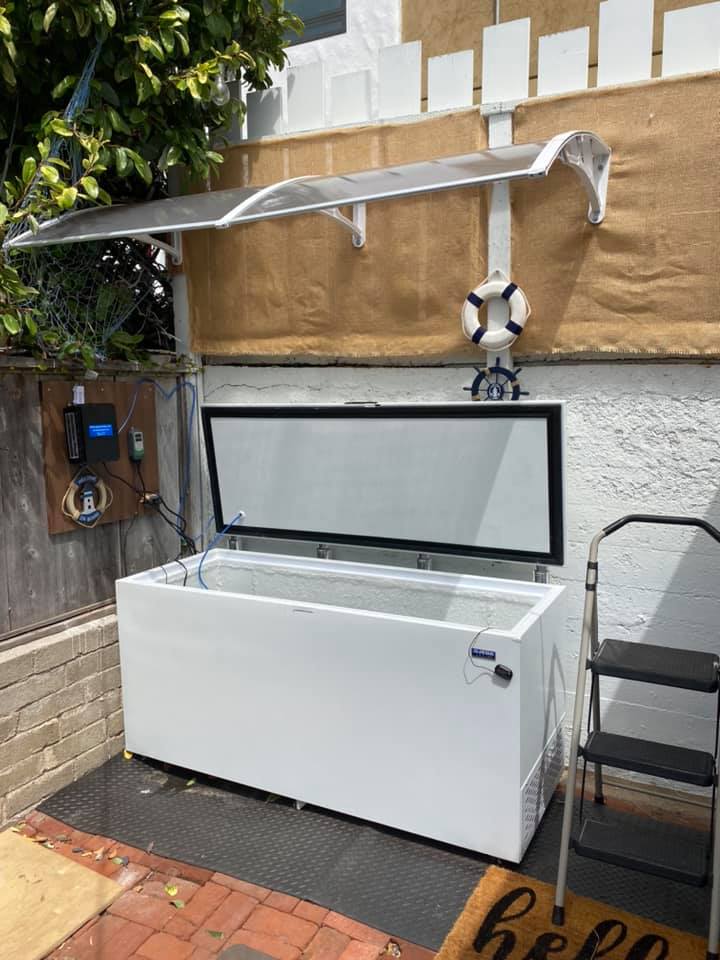
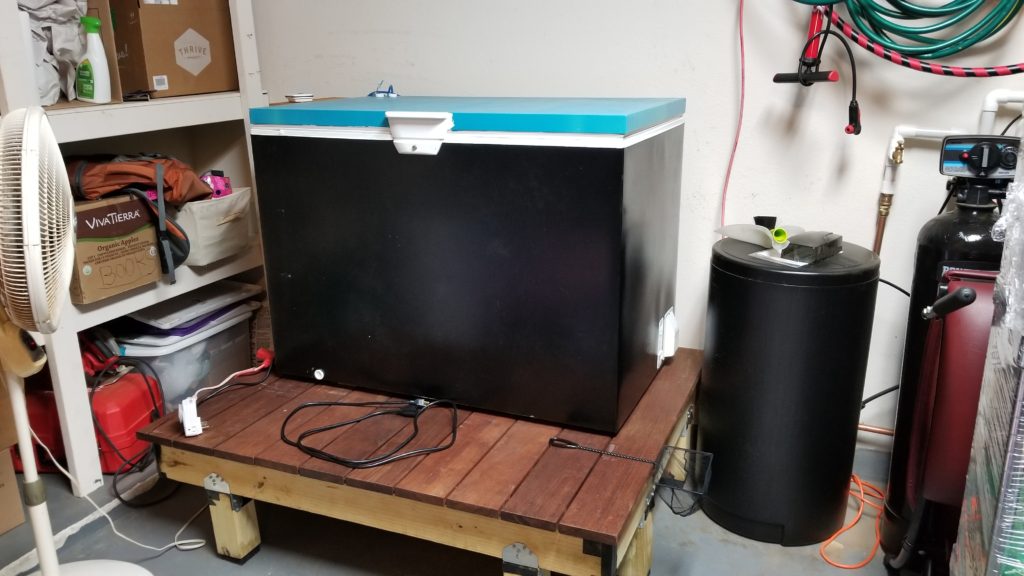
Cold Plunges from Our Global Community
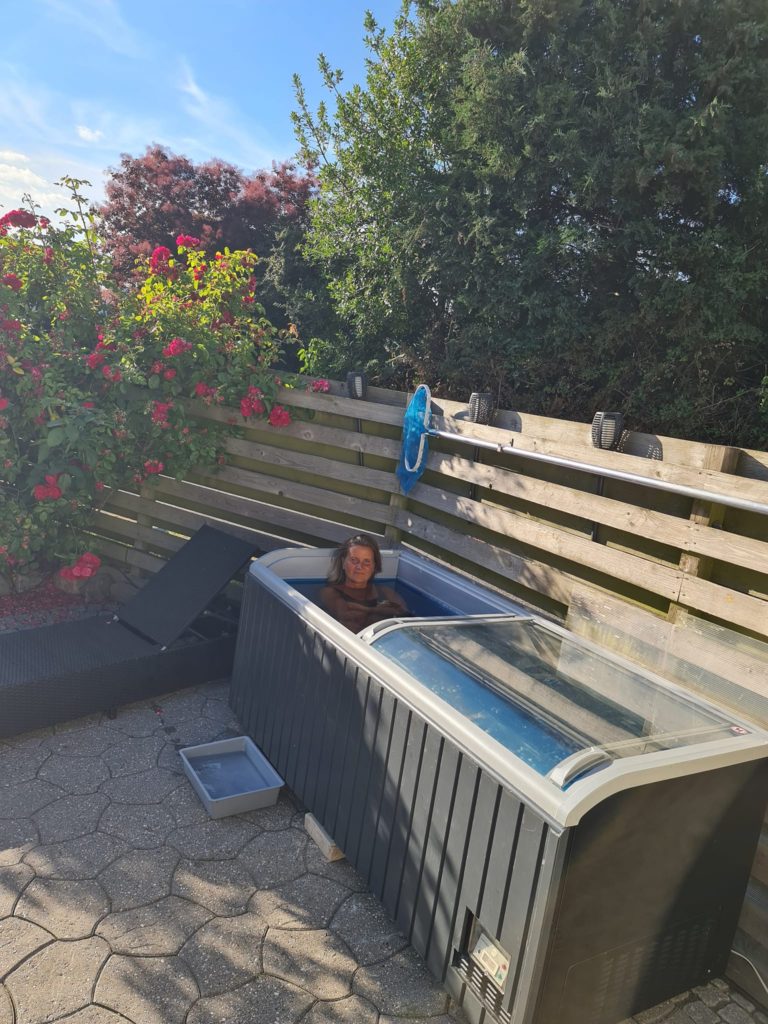
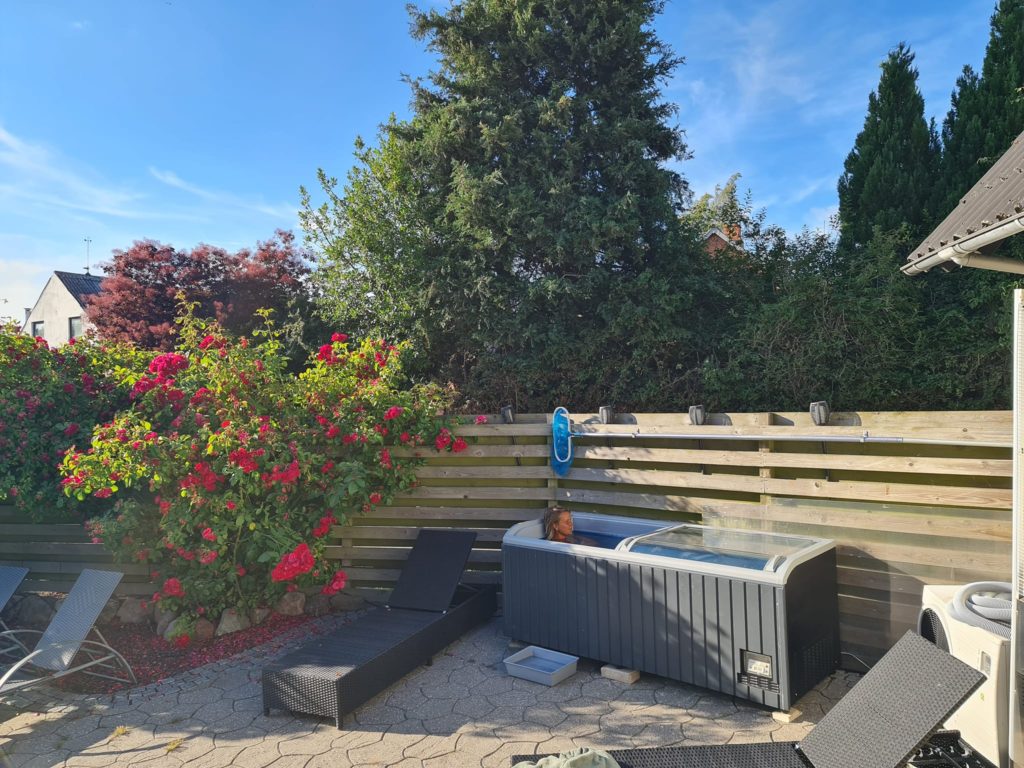
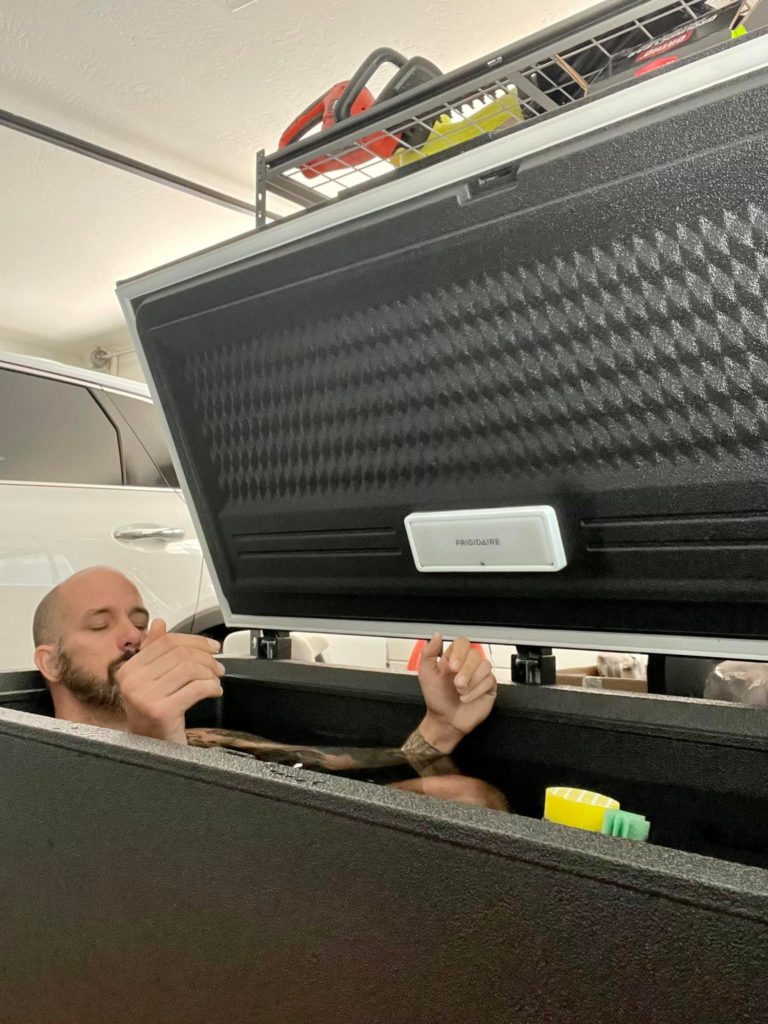
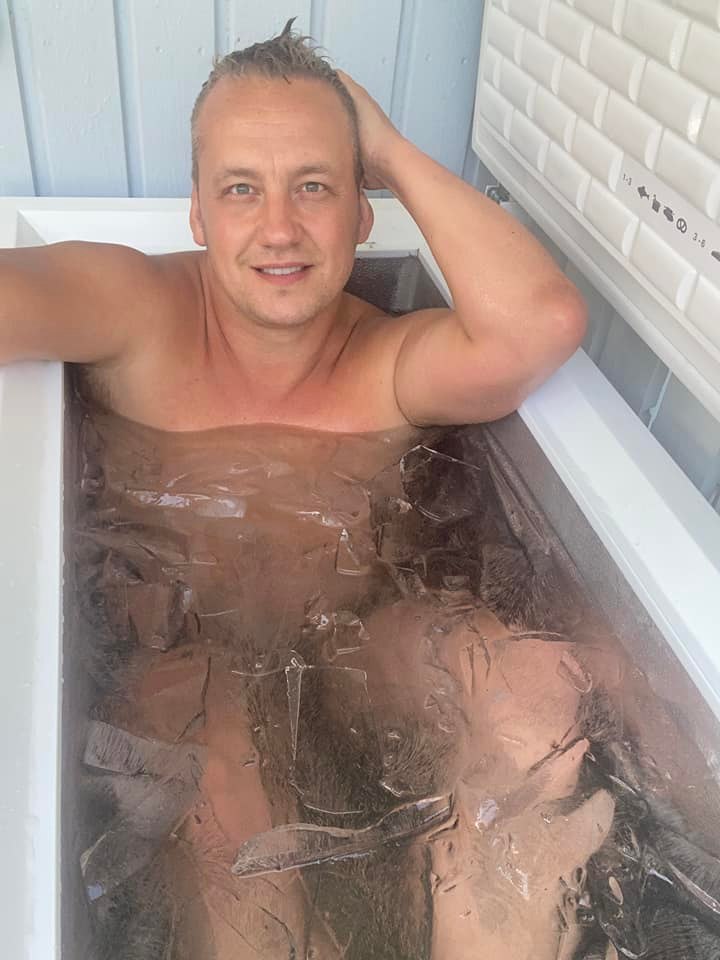
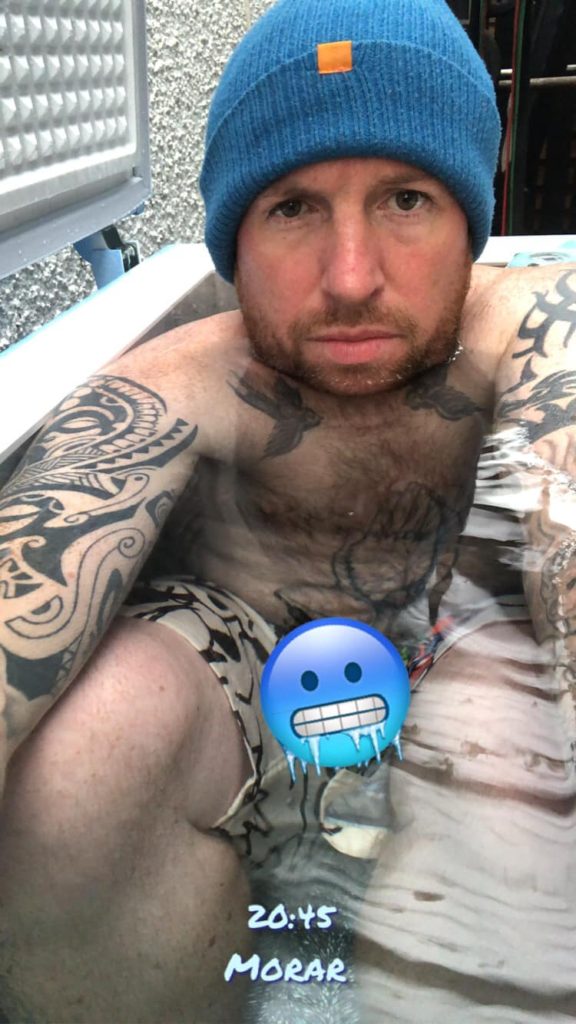
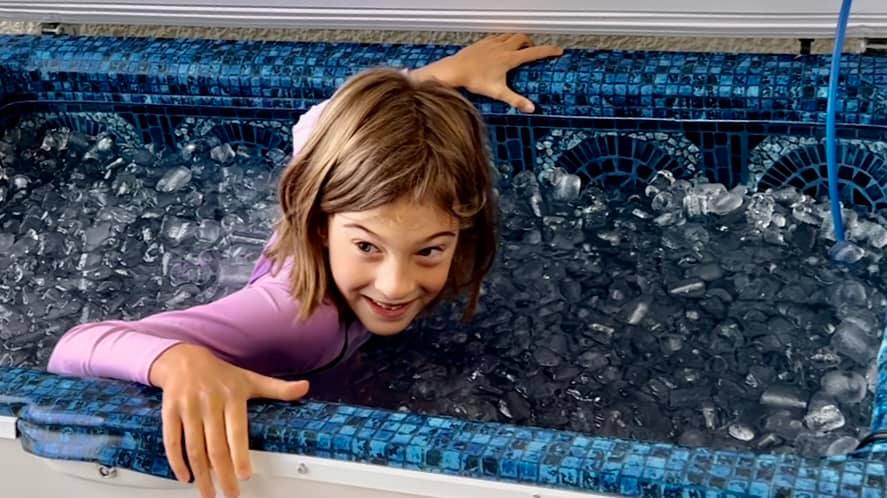

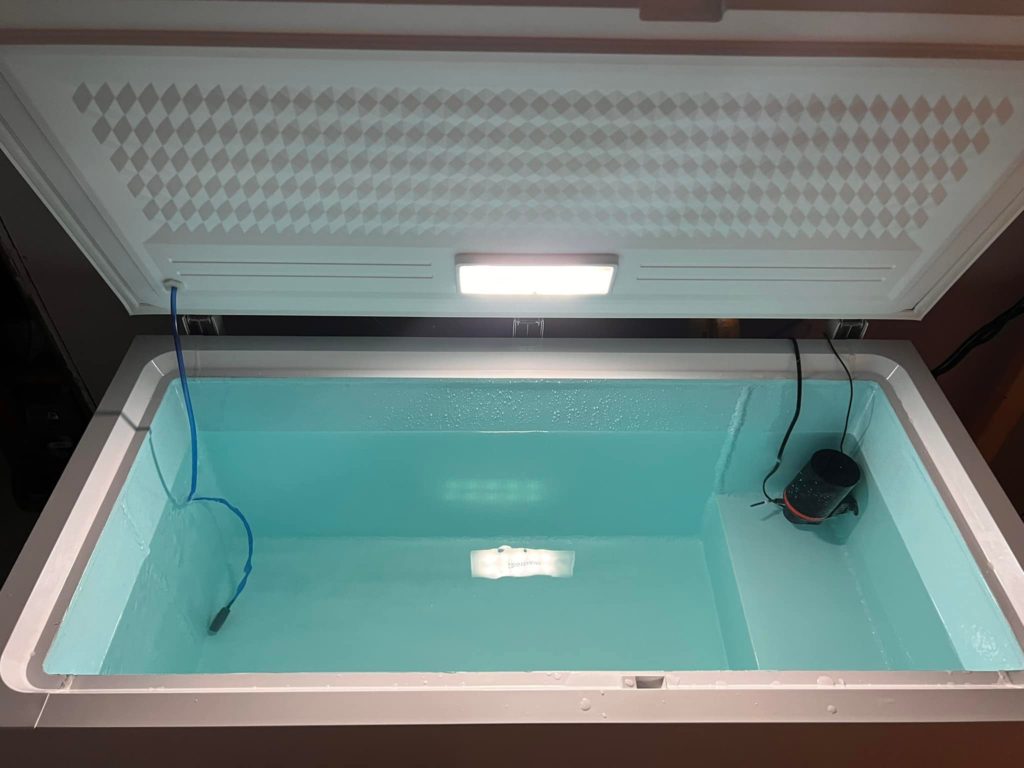
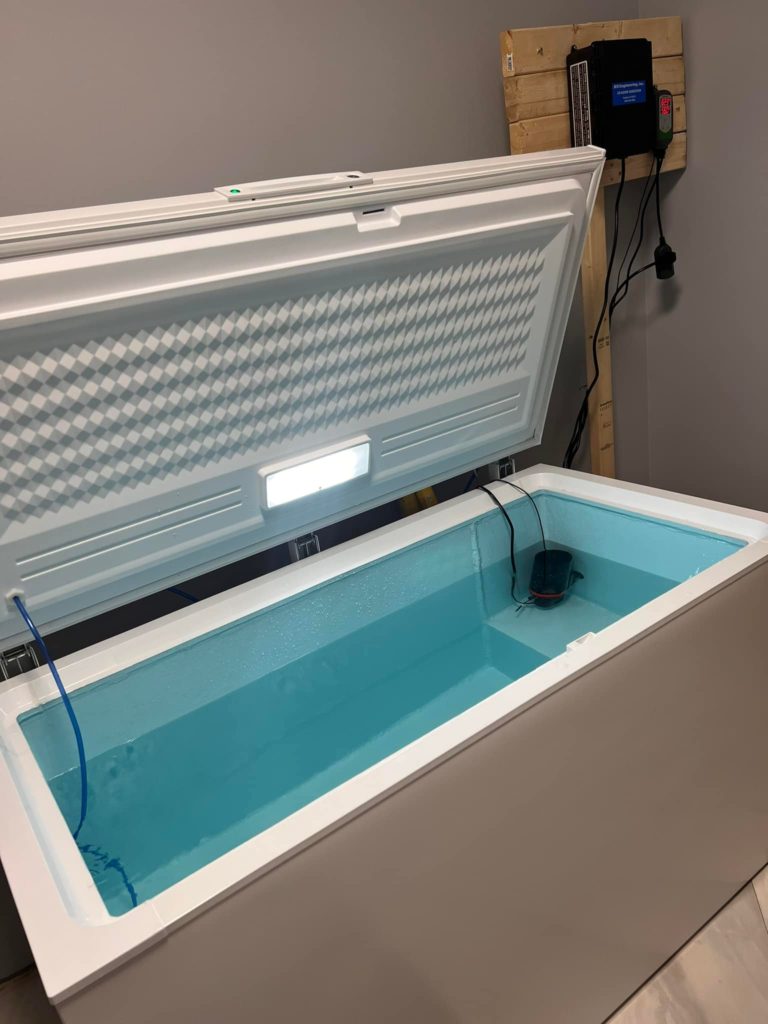
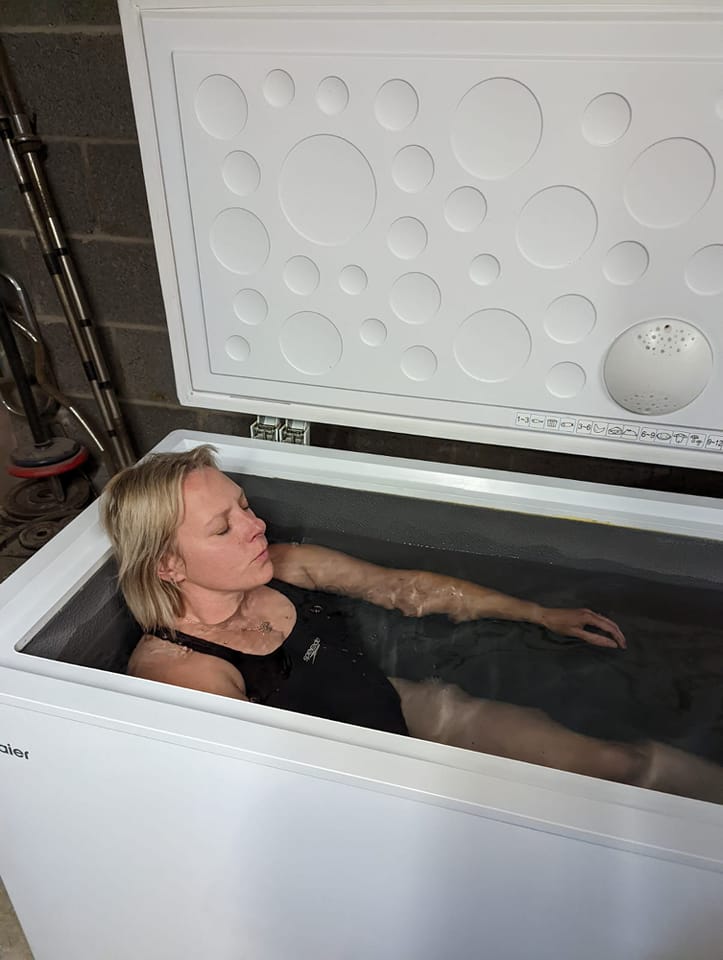
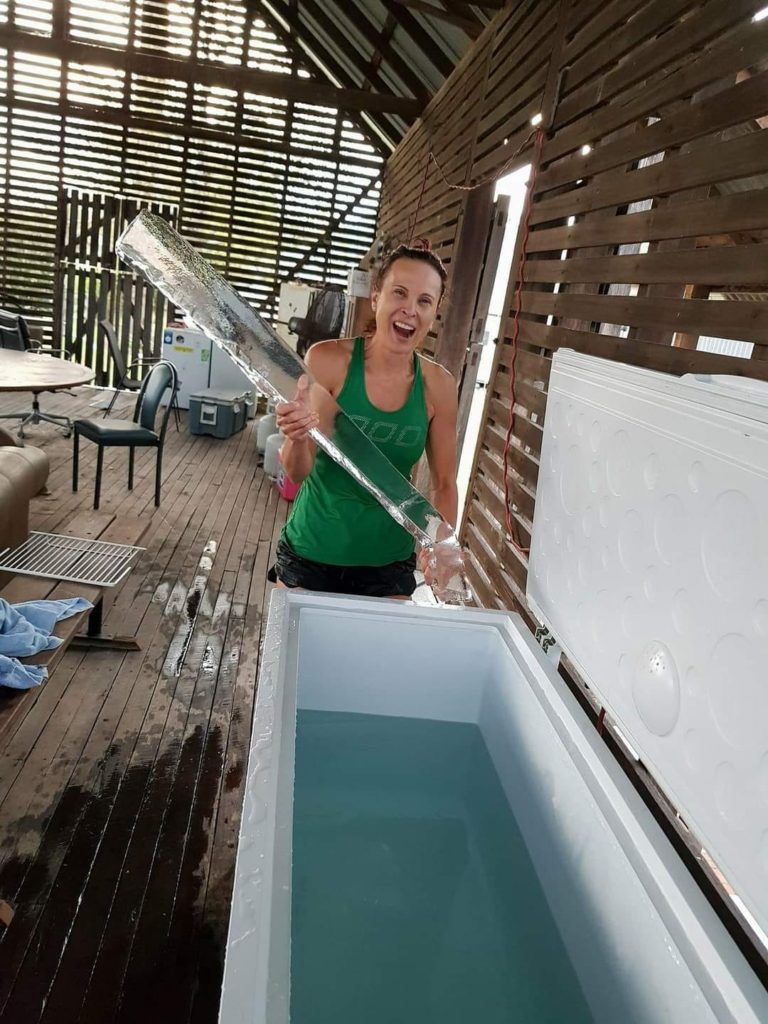
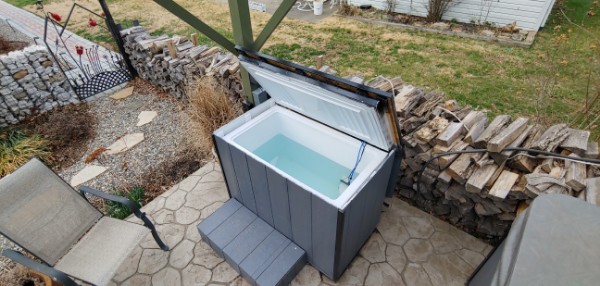
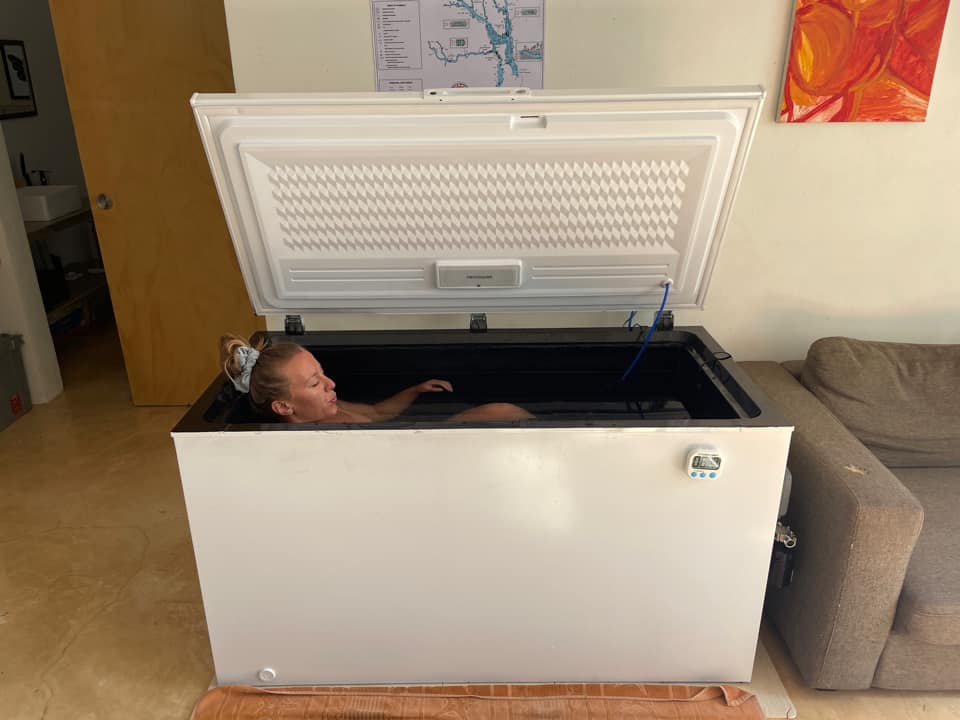

Stuck? Not sure where to start?
John has helped thousands of people like you create their own Cold Plunge. Schedule a consultation to help you…
- Figure out which cold plunge option is right for you
- Know the exact steps to take, and in what order to save you time, money, and frustration
- Avoid the stupid mistakes that can come back and bite you later!
Not interested in building a Cold Plunge?
If you have $5k or more in your budget and want to avoid the time and energy to correctly build a DIY cold plunge (rusting, leaking, and mold OH MY!), get one that’s done for you!
Use discount code Richter to receive a discount on your purchase!
* As an affiliate, I earn a small commission which does not affect your price (actually you get a discount when you use the code Richter). Using the link from my website helps support our community and my family. Your patronage is greatly appreciated.