
Going Away? How to Prep Your Cold Plunge
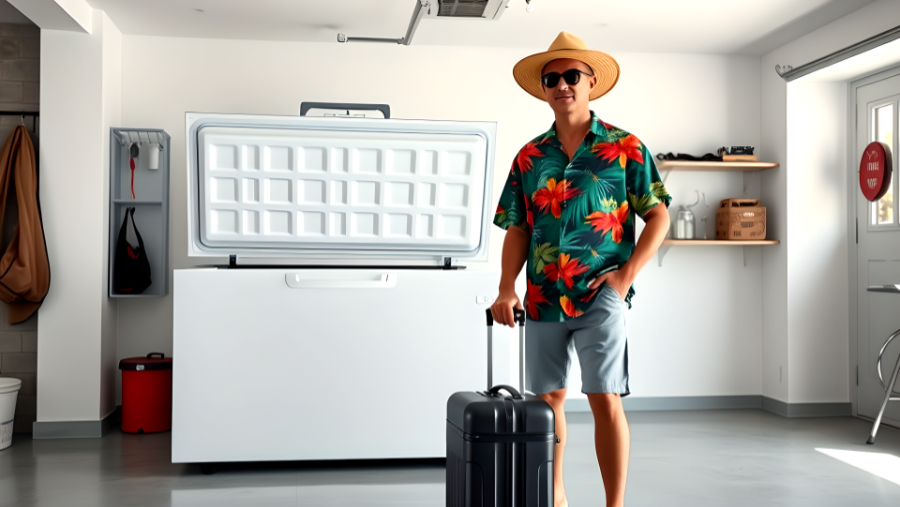
Sometimes, we need to take a break from our cold water immersion practice. This might be because of an illness, a vacation, or we just need a break. Take a break?! I know, sacrilege. Not everyone needs a daily cold plunge, and tuning into your body’s needs is important, but that’s a topic for another article.
If you’ll be away for more than 7–10 days, it’s best to prepare your cold plunge in advance. This applies to both DIY and professionally built cold plunges. The chances of a problem might be small, but the consequences can be catastrophic. Water damage, and dead cold plunges? No fun. Be proactive.
The steps are similar to what you would do for annual (or regular maintenance). This will be short and sweet. The steps apply to chest freezer and chiller-based cold plunges.
1. Unplug & Map It
Before you start, unplug the chest freezer or chiller, pump, temperature controller, and all other equipment. If your setup is complex (or you have a bad memory), take a few pictures or make a simple diagram showing how everything is connected. You’ll thank yourself later.
2. Practice Mindfulness
Be mindful when handling the pump, filter, and other equipment, dropping them can be costly. I’ve seen many posts in my Facebook group asking how to repair damaged chest freezers because someone dropped a pump. Accidents happen, but patching holes or replacing damaged equipment is a hassle that’s best to avoid.
A bit of presence and attention goes a long way to keeping everything intact and saving you time, stress, and money. Handle one piece at a time. Take your time. Take slow, deep breaths. Treat cleaning and maintenance as a meditation or mindfulness practice. Have you heard the phrase “chop wood, carry water?” The same principle applies here.
3. Drain Your Cold Plunge
Drain the water by using a transfer pump, siphon, or other method. The last bit of water can be removed with small cups, a bucket, and/or towels. With a chest freezer, I pick up the side opposite the compressor and place a 2×4 underneath it to make removing that last bit of water easier. If you have a chiller, disconnect it and drain it. Remove the cap from the filter, and drain the canister. Remove the filter media. Drain any water from the pump and all plumbing.
4. Store the Equipment
Place your pump, filter, plumbing, and other equipment in a box or bin. Lay the filter canister horizontally. It can get knocked over and cracked if you have it sitting upright. Make sure everything is dry and protected from damage.
5. Clean Your Cold Plunge
Wipe down everything, including the tub interior and all submerged equipment. What cleaner can be used? Here are a few proven options:
- 1-part bleach to 10 parts water
- 1:1 white vinegar/water
- H2O2
- Mild dish soap
- Any basic cleaner (7th Generation, Simple Green, etc.)
If using bleach, dish soap, or a cleaner, wipe down afterward with a damp microfiber cloth or sponge to remove residue. It’s best not to leave residual cleaning chemicals in your cold plunge. This is especially true if you use chlorine, bromine, or other chemicals to sanitize your water. Don’t turn your cold plunge into a chemistry lab. For example, combining chlorine and H2O2 can result in an explosion. The chances of this happening are small, but don’t risk it. Even if you don’t cause an explosion, mixing cleaning chemicals can result in harmful gases.
If you have a pleated filter, clean it by soaking it in bleach (use the 1:10 ratio mentioned above) or H2O2. If it looks worn or dirty, replace it.
6. Secure the Lid
If moisture is trapped inside with the lid closed, your cold plunge can become a mold farm. To prevent this, leave the chest freezer lid slightly open. A small piece of cardboard or something else between the lid and top front wall will allow any moisture to dry out and help prevent mold. If you have a chiller-based cold plunge, remove the lid and set it aside. Place a blanket or cloth over the top to prevent dust and critters from getting in. Some people have found that a fitted crib sheet works well.
7. Return
When you return, wipe out the interior with a damp cloth if needed. Reconnect all of the equipment and plumbing. Ensure that the INS and OUTS are correct. If you have a check valve or venturi injector, ensure they are installed in the right direction. Remember to practice mindfulness to prevent damage to your cold plunge and equipment.
8. Fill and Chill
Refill your cold plunge. If you have a chest freezer, add enough ice to bring the water quickly to your desired temperature. Doing this can prevent wear on the compressor, which was not designed to run 24/7 for extended periods. Cooling time depends on several variables, including the starting water temperature, target temperature, ambient conditions, and water volume.
To determine how much ice is needed, use the Ice Bath Calculator on my website:
https://chestfreezercoldplunge.com/icebathcalc/
You can add ice to a chiller-based cold plunge, but chillers are designed to chill water, so this is unnecessary unless you’re in a hurry.
9. Enjoy Your Cold Plunge!
Follow these steps, and your cold plunge will be ready to go!
You might benefit from a warmer temperature if you’ve been away from your practice for more than a week. Restarting at 50 – 65F (10 – 18C) and gradually working down to a colder temperature is OK. See
Each person can respond very differently to cold water. For more info, read our article “How Cold and How Long.”